
Waste Segregation at Home: A Simple Guide for India
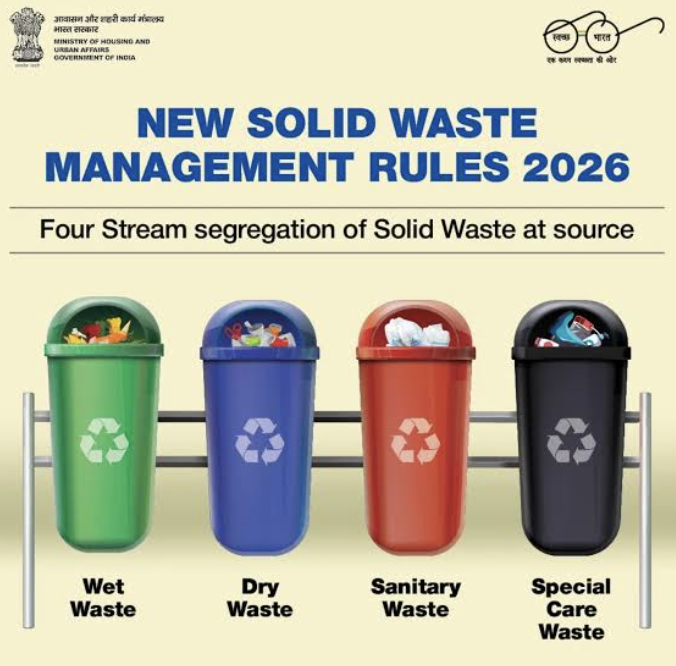
Waste segregation at home is the practice of separating household waste into different categories instead of disposing of everything in a single bin. It helps reduce landfill waste, improve recycling, and ensure safe disposal of harmful materials. In India, waste management rules now require households to follow four-stream segregation: wet waste, dry waste, sanitary waste, and special care waste. Each category requires different handling and disposal methods. In this guide, you will learn about the four types of waste, how to identify and separate everyday household items, the correct disposal methods, and practical tips to make waste segregation a simple part of your daily routine. This guide shows you how to start waste segregation at home, step by step.
What is waste segregation at home?
Waste segregation is the process of separating household waste into different categories based on its type and how it should be treated or disposed of. Instead of putting all waste into one dustbin, households separate materials such as food scraps, paper, plastic, sanitary products and hazardous items.
Segregation must begin at the source, which means separating waste where it is generated, such as in your kitchen, bathroom or living room. When different types of waste are mixed, recycling becomes difficult, compostable materials get contaminated, and harmful substances may affect other waste. Separating waste at home makes collection, transportation, recycling and safe disposal much easier.
The four types of household waste in India
Under India’s updated waste segregation framework, households are required to separate waste into four streams:
1. Wet Waste
Wet waste mainly consists of biodegradable materials that can decompose naturally and can often be converted into compost.
Examples:
- Vegetable and fruit peels
- Leftover food and spoiled vegetables
- Tea leaves and coffee grounds
- Eggshells and flowers
2. Dry Waste
Dry waste includes recyclable and non-biodegradable materials that should be kept clean and dry for proper processing and recycling.
Examples:
- Paper, newspapers and cardboard
- Plastic bottles and containers
- Glass bottles and metal cans
- Packaging materials
3. Sanitary Waste
Sanitary waste includes used personal hygiene products that may contain bodily fluids and require careful handling.
Examples:
- Used sanitary napkins
- Baby diapers
- Used tampons
- Adult incontinence products
4. Special Care Waste
Special care waste consists of household materials that may contain hazardous substances or require special handling to prevent harm to people and the environment.
Examples:
- Expired medicines
- Used batteries
- Paint containers and chemical residues
- Bulbs, tube lights and certain electronic items
How to separate waste at home, step by step
Follow these simple steps to establish an effective waste segregation system in your household.
- Get separate bins: Arrange four separate containers or designated compartments for wet, dry, sanitary and special care waste.
- Label each bin: Clearly mark the containers so every family member knows where each type of waste belongs.
- Separate waste immediately: Put kitchen scraps in the wet waste bin and recyclable materials in the dry waste bin instead of mixing everything together.
- Keep recyclables clean: Empty and rinse food containers, plastic bottles and cans before placing them in the dry waste bin. Allow them to dry.
- Wrap sanitary waste separately: Wrap used sanitary products in paper or their original packaging before placing them in the designated sanitary waste container.
- Store special care waste safely: Keep batteries, medicines, bulbs and chemical waste separate from regular household waste, preferably in labelled containers.
- Hand over waste correctly: Give each category to your waste collector according to the collection and disposal arrangements followed by your local municipality.
Why waste segregation matters
- Reduces landfill waste: Separating recyclable and compostable materials reduces the amount of waste sent to landfills.
- Improves recycling quality: Clean and properly separated dry waste is easier to sort, process and recycle.
- Encourages composting: Separating kitchen scraps makes it possible to turn biodegradable waste into useful compost for plants and gardens.
- Protects public health: Keeping sanitary and hazardous waste separate reduces exposure to harmful substances, germs and contamination.
What if your area does not collect all four waste streams separately?
Not every locality in India has a collection system that picks up all four waste categories separately. However, this does not mean households should mix everything into one bin. You can still segregate waste at home and hand it over responsibly.
Here are a few things you can do:
- Keep all four categories separate: Even if your municipal collector does not provide separate collection, maintain four designated containers at home.
- Ask your local waste collector: Check whether separate collection days or arrangements are available for sanitary and special care waste.
- Contact authorised recyclers: Send batteries, electronic waste and other hazardous household materials to appropriate collection centres or authorised recyclers.
- Follow municipal guidelines: Check your municipal corporation’s website for local waste collection schedules and disposal instructions.
- Avoid mixing waste during handover: If collection arrangements are unclear, ask the collector how each category should be handed over rather than combining everything.
Remember, segregation should begin at home, even when separate collection facilities are not yet available in your neighbourhood.
How to set up waste segregation bins in a small flat?
Living in a small apartment does not mean you need four large dustbins. A simple, space-saving arrangement can make household waste segregation manageable.
Try these practical ideas:
- Use compact containers: Choose small bins or stackable containers that fit under your kitchen sink or inside a cabinet.
- Use colour-coded labels: Mark each container as wet, dry, sanitary or special care to avoid confusion.
- Keep wet waste accessible: Place the wet waste bin near your kitchen preparation area for easy disposal of food scraps.
- Store special care waste separately: Use a small, closed and clearly labelled container in a dry, secure location, away from children and pets.
- Empty bins regularly: Dispose of accumulated waste according to your local collection schedule to prevent odours and overflowing bins.
You can also use reusable containers for dry waste and smaller covered bins for sanitary waste. The goal is to create a convenient system that everyone at home can follow consistently.
Start this week: A 5-item waste segregation checklist
Follow these five steps and waste segregation at home becomes a habit within a week.
Your weekly action checklist
- Arrange four separate containers for household waste.
- Label each container as wet, dry, sanitary and special care.
- Start separating kitchen scraps and recyclable materials.
- Identify an appropriate collection point for batteries, medicines and e-waste.
- Explain the segregation system to every family member.
Small daily habits can make a meaningful difference. Once everyone understands the system, separating household waste becomes a natural part of everyday life.
Common mistakes to avoid
Even careful households slip up. These are the most common errors in waste segregation at home.
Here are some common mistakes to avoid during waste segregation at home:
- Mixing wet and dry waste: Putting food scraps and recyclable materials together can contaminate otherwise recyclable items.
- Putting sanitary waste in the dry bin: Used sanitary products should always be wrapped and kept in the designated sanitary waste stream.
- Throwing batteries into regular bins: Batteries can contain harmful chemicals and should be handed over through appropriate collection channels.
- Not cleaning recyclable containers: Food residue and liquids can contaminate other recyclable materials.
- Mixing special care waste with household waste: Medicines, chemicals and other potentially hazardous materials need separate handling.
Frequently asked questions
Q1. What is the difference between wet waste and dry waste?
Wet waste consists of biodegradable materials such as leftover food, fruit peels and vegetable scraps that can decompose naturally. Dry waste includes materials such as paper, plastic, glass and metal that can often be reused or recycled.
Q2. How can I segregate waste at home?
Waste segregation at home works best when you start keeping four separate bins or designated containers for wet, dry, sanitary and special care waste. Sort waste as soon as it is generated, keep recyclable materials clean and hand over each category separately to authorised waste collectors.
Q3. What should I do with old batteries?
Old batteries should not be thrown into regular household waste bins because they may contain chemicals and metals that can harm the environment. Store them separately and hand them over to an authorised collection centre or appropriate battery recycling facility.
Q4. How should I dispose of e-waste in India?
Electronic waste such as old mobile phones, chargers, laptops and damaged electronic devices should be kept separate from regular household waste. Hand it over to an authorised e-waste collection centre, registered recycler or designated take-back programme for safe recycling.
Waste segregation at home is a small daily habit with a real impact on your city.
Want more practical tips? Explore all our WasteWise guides.